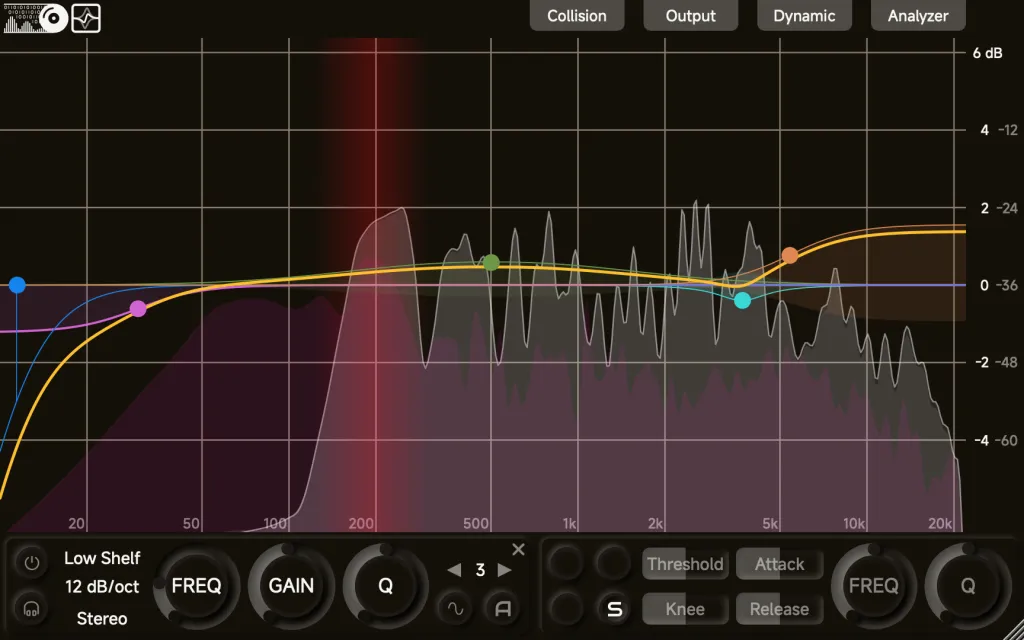
Writing about “magic frequencies” in equalization can be a bit misleading, as there are no specific frequencies that automatically make an instrument sound perfect in all situations. EQ is contextual and depends on the overall mix. However, there are key frequency ranges that are often associated with certain instrument characteristics, and understanding them can be very helpful. Here’s an article that takes a practical and realistic approach to this topic:
Demystifying the “magic frequencies”: a practical guide to EQ for instruments.
In the world of music production, there is often talk of “magic frequencies” that supposedly enhance certain characteristics of instruments with just a little EQ tweaking. While there are no universal magic solutions, there are frequency ranges that are often important for each instrument. This article will help you better understand these ranges and how to use them effectively.
Why there are no universal “magic frequencies”.
The main reason there are no magic frequencies that always work is context. The way an instrument sounds depends on many factors, including:
- The instrument itself: a 4-string electric bass sounds different from a 5-string electric bass, and an acoustic guitar with steel strings sounds different from one with nylon strings.
- The recording: The quality of the recording, the microphone used and its positioning greatly influence the sound.
- The mix: How an instrument fits in the mix with other instruments determines which frequencies should be enhanced or attenuated.
Key frequency ranges for common instruments
Become an expert in equalization with the recommended book “ EQ in Music Production” (click on the image to go to the link):

Rather than looking for “magic frequencies,” it is more useful to understand the frequency ranges that are often associated with certain instrument characteristics:
- Bass Drum (Kick Drum):
- 20-60 Hz: Sub-bass, “weight”, “depth”.
- 60-100 Hz: Bass, “punch”, “thump”.
- 250-500 Hz: “Box”, unwanted resonance (often attenuated).
- 1-5 kHz: “Attack,” “click.”
- Bass:
- 40-100 Hz: Fundamental, “body.”
- 100-250 Hz: “Warmth”, “definition”.
- 500-1 kHz: “Presence”, attack on bass with pick.
- Acoustic Guitar:
- 80-200 Hz: “Body,” resonance of the body.
- 200-500 Hz: “Warmth”, definition in guitars with nylon strings.
- 2-5 kHz: “Brightness”, pick attack.
- 7 kHz and up: “Air,” additional brightness.
- Electric Guitar:
- 80-250 Hz: “Body,” “Thickness.”
- 250-1 kHz: “Mordent”, “presence”.
- 1-5 kHz: “Attack,” “cut” in the mix.
- Voice (Vocals):
- 100-250 Hz: “Body,” “warmth.”
- 1-4 kHz: “Presence”, “intelligibility”.
- 4-8 kHz: “Brightness”, “air”.
- 6-10 kHz: Sibilance (often attenuated).
- Cymbals:
- 200 Hz and up: “Brightness,” “sizzle.”
- 5-10 kHz: “Air”, “space”, “sizzle”.
- . Practical EQ tips:In short:Instead of looking for “magic frequencies,” focus on understanding the frequency ranges that are usually important for each instrument and how they interact with other elements in the mix. With practice and experimentation, you’ll be able to use EQ effectively to achieve the sound you’re looking for. Remember, the best tool is your ear.
- Listen in context: Always EQ in the context of the entire mix, not just the isolated instrument.
- Less is more: Small adjustments are often more effective than large boosts or attenuations.
- Use subtractive EQ first: It is often more effective to attenuate problem frequencies than to boost the ones you want to emphasize.
- Use filters: High-pass and low-pass filters are very useful tools for cleaning up the frequency spectrum and avoiding the buildup of unwanted frequencies.
- Experiment: Don’t be afraid to try different settings and find out what works best for each situation.