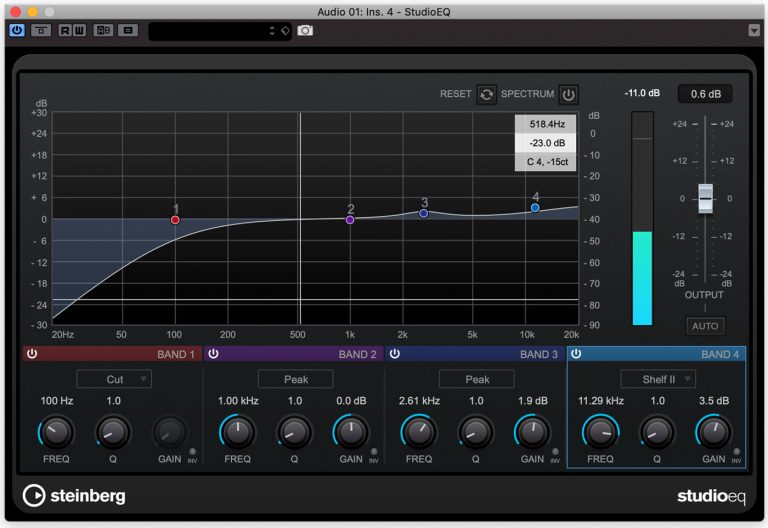
Mastering is the last crucial step in music production, where the final polish is given to a stereo mix so that it sounds optimal in different playback systems. Within this process, equalization (EQ) plays a fundamental role. This first part focuses on the basics and preparation for EQ in mastering.
What is Mastering and why is EQ important?
Mastering is not simply about turning up the volume. It involves a series of processes, including equalization, compression, limiting and stereo imaging, with the goal of:
- Sound Cohesion: ensuring that all tracks on the album or EP sound consistent in terms of volume and tonal balance.
- Optimization for Different Media: Adapt the mix for playback on various platforms (streaming, CD, vinyl, etc.).
- Volume Competitiveness: Achieving an adequate volume for the song to compete with other professional productions.
Equalization in mastering is subtle and focuses on the overall tonal balance of the mix. Unlike equalization in mixing, where you work with individual tracks, here you work with a single stereo signal.
Differences between Equalization in Mixdown and Mastering:
| Feature | Equalization in the Mix | Equalization in Mastering |
|---|---|---|
| Objective | Sculpt the sound of individual instruments. | Adjust the overall tonal balance of the mix. |
| Accuracy | More precise, often with more aggressive cuts and highlights. | Subtle, with smooth and wide adjustments. |
| Approach | Individual tracks. | Full stereo mix. |
| Adjustment Range | Generally larger (several dB). | Generally smaller (1-3 dB, rarely more). |
| Tools | Parametric equalizers, graphic equalizers, etc. | High quality equalizers, often with analog modeling. |
Become an expert in equalization with the recommended book “ EQ in Music Production” (click on the image to go to the link):

Preparing for Equalization in Mastering:
Before you begin EQing in mastering, it is crucial to have a solid mix. Good mastering cannot fix a bad mix. Make sure your mix meets the following criteria:
- Proper Level Balance: Instruments and vocals should be at the correct relative volume.
- Good Dynamic Range: The mix should have sufficient dynamics, without being too compressed.
- Headroom: Leave enough headroom (at least 6 dB) to avoid distortion during mastering.
- Accurate Monitoring: Use quality studio monitors and a conditioned listening room to make accurate decisions.
The Listening Environment:
The listening environment plays a crucial role in mastering. A space with poor acoustics can lead to poor EQ decisions. Consider the following:
- Acoustic Isolation: Reduce external noise for more accurate listening.
- Acoustic Treatment: Use acoustic panels, bass traps and diffusers to control sound reflections and reverberation.
- Monitor Positioning: Place the monitors in an equilateral triangle with the listening point, following the manufacturer’s recommendations.
Tools for Equalization in Mastering:
In mastering, high quality equalizers with the following characteristics are typically used:
- Smooth and Musical Settings: that allow for subtle and natural tonal changes.
- Low Distortion: No unwanted artifacts are introduced into the signal.
- Analog Modeling (Optional): Some equalizers emulate the behavior of analog circuits, adding warmth and color to the sound.
Popular examples include:
- FabFilter Pro-Q 3: A very versatile and accurate digital equalizer.
- iZotope Ozone EQ: Integrated into the Ozone mastering suite.
- Brainworx bx_digital V3: A digital equalizer with advanced features.
- Plugin Alliance Lindell TE-100: Emulation of a classic analog equalizer.
In Part 2:
Part 2 of this article, we’ll delve into specific EQ techniques in mastering, including the use of filters, shelving settings, and midrange EQ, as well as practical tips for achieving professional results.
Remember that mastering EQ is an art that requires practice and a trained ear. Start with subtle adjustments and trust your ears to make the best decisions.