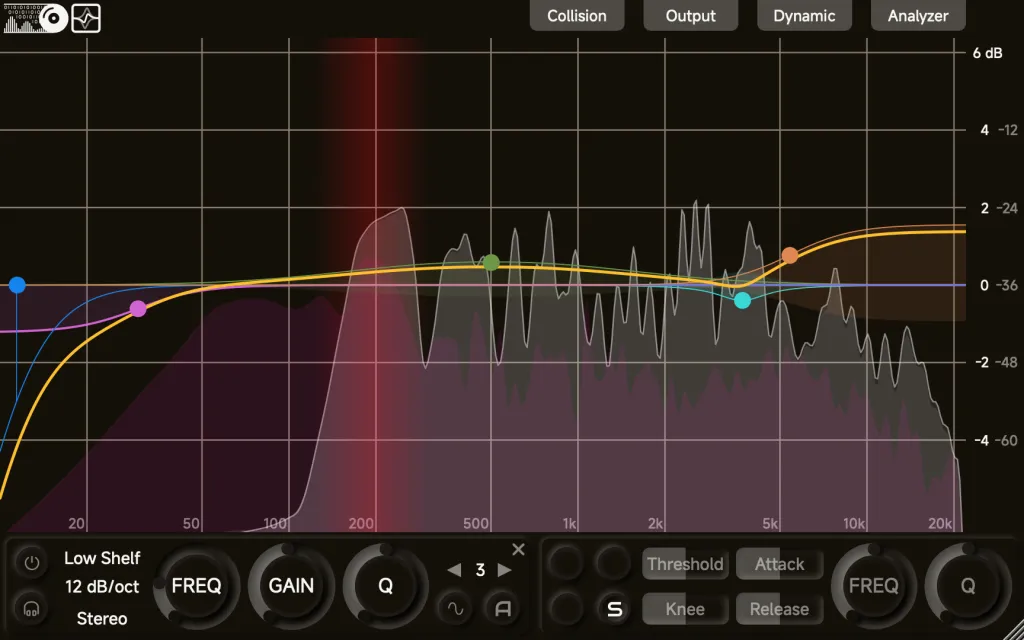
Objectives of EQ in Mastering
Equalization during mastering is a crucial stage in the music production process. It is the final touch that is applied to a mix to ensure that it sounds cohesive, balanced and professional on all playback systems. The objectives of EQ in mastering are varied, but all focus on refining the final mix to meet market standards of quality and loudness.
Global Tonal Balance
One of the main objectives of EQ in mastering is to adjust the overall tonal balance of the mix. This involves making sure that all frequencies are well represented and that no one frequency band dominates or is lost in the mix. Proper tonal balance ensures that the music sounds natural and balanced on any playback system, from hi-fi speakers to headphones and portable sound systems. EQ at this stage is used to correct any tonal deficiencies that may have been left over from the original mix, ensuring that the music has sufficient body in the lows, clarity in the mids and brightness in the highs.
Correcting Specific Problems
During mastering, equalization is used to correct specific problems that may have been overlooked during mixing. This includes eliminating unwanted resonances, reducing bass boominess, or attenuating harsh mid-high frequencies. For example, if a mix has excess energy in the 200 Hz to 300 Hz range, EQ in mastering can attenuate that area to reduce masking and improve overall clarity. Correcting these specific problems helps polish the mix and ensure that each element sounds clear and defined.
Consistency between Tracks
Another important goal of EQ in mastering is to ensure tonal consistency between all the tracks on an album or EP. Different songs should sound like part of the same whole, with a cohesive tonal balance. EQ in mastering is used to even out the differences between tracks, ensuring that none sound too different in terms of tone and balance. This is especially crucial when tracks have been mixed in different sessions or studios, where variations in equipment and environment can affect the final sound.
Creative Enhancement
Beyond tonal correction and balance, EQ in mastering is also used to creatively enhance certain aspects of the sound. This can include adding brightness to the treble to give more “air” and clarity, or boosting the bass slightly to add depth and power. Mastering engineers can use EQ to bring out the unique characteristics of the music, adding the final touch that makes a track sound professional and engaging. This creative enhancement must be done with subtlety, ensuring that the original character of the mix remains intact while improving its overall presentation.
Preparing for Different Formats
Equalization in mastering also plays a crucial role in preparing music for different formats and playback platforms. Different systems and media may have different playback characteristics, and EQ is used to ensure that the mix sounds good on all of them. For example, mastering for vinyl may require a different approach to EQ than mastering for digital streaming, due to the physical limitations and characteristics of each format. Adjusting EQ for these specific formats ensures that the music translates well and sounds optimal in any context.
Become an expert in equalization with the recommended book “ EQ in Music Production” (click on the image to go to the link):

Dynamics Management
Although dynamics management is most commonly associated with compression and limiting, EQ can also influence the perception of dynamics in a mix. By reducing problematic frequencies that can cause listening fatigue, EQ can help music sound more open and less congested. This can improve the perception of dynamics, making music sound livelier and less compressed, even when limiting processes are applied to achieve desired loudness levels.
Evaluation and Finite Adjustments
The mastering process includes a critical evaluation of the final mix, and EQ is used to make fine adjustments to perfect the sound. This may include small tweaks to smooth out resonances, enhance specific frequencies that add brightness and detail, or adjust the overall balance to ensure that the music sounds good on a variety of playback systems. These fine adjustments are the culmination of the mastering process, ensuring that the music is ready for distribution and consumption.