Introduction to Virtual Monitoring Systems
Virtual monitoring systems have gained popularity in modern music production due to their ability to emulate various listening environments and improve mixing and mastering accuracy. These systems use advanced software and algorithms to simulate how a mix would sound in different contexts, such as professional studios, living rooms, headphones, and car sound systems. This allows sound engineers to make informed decisions and ensure that their mixes translate well to a variety of playback systems.
How Virtual Monitoring Systems Work
Virtual monitoring systems work by processing the audio signal in real time, applying equalization curves and acoustic simulations of different spaces. Using specific correction profiles, these systems can replicate the sonic characteristics of various monitoring configurations. By listening through these profiles, engineers can identify and correct problems that might go unnoticed in a single listening environment.
One of the advantages of these systems is their ability to provide a constant aural reference, regardless of the physical environment in which the engineer is located. This is especially useful for producers and mixers working in home studios or less-than-ideal spaces, as it gives them access to a professional sound reference without the need for expensive equipment or advanced acoustic treatment.
Practical Applications in Music Production
Virtual monitoring systems are used at various stages of the music production process. During mixing, they allow engineers to hear how the mix will behave in different environments, identifying balance, EQ and dynamics problems that might not be apparent in their usual monitoring environment. This helps create mixes that translate well to all playback systems, from headphones to hi-fi speakers.
In mastering, virtual monitoring systems allow engineers to verify the consistency and tonal balance of final mixes in multiple environments. This ensures that mastering is effective and that the final product sounds good in any context. In addition, virtual monitoring systems can be used to educate the ear, helping engineers become familiar with the sonic characteristics of different environments and playback systems.
Examples of Virtual Monitoring Systems
A notable example of a virtual monitoring system is the Waves Nx software. This software uses head-tracking technology and audio processing algorithms to simulate professional studio environments in headphones. Waves Nx allows users to experience what their mix would sound like in different control rooms, providing a realistic and immersive aural reference.
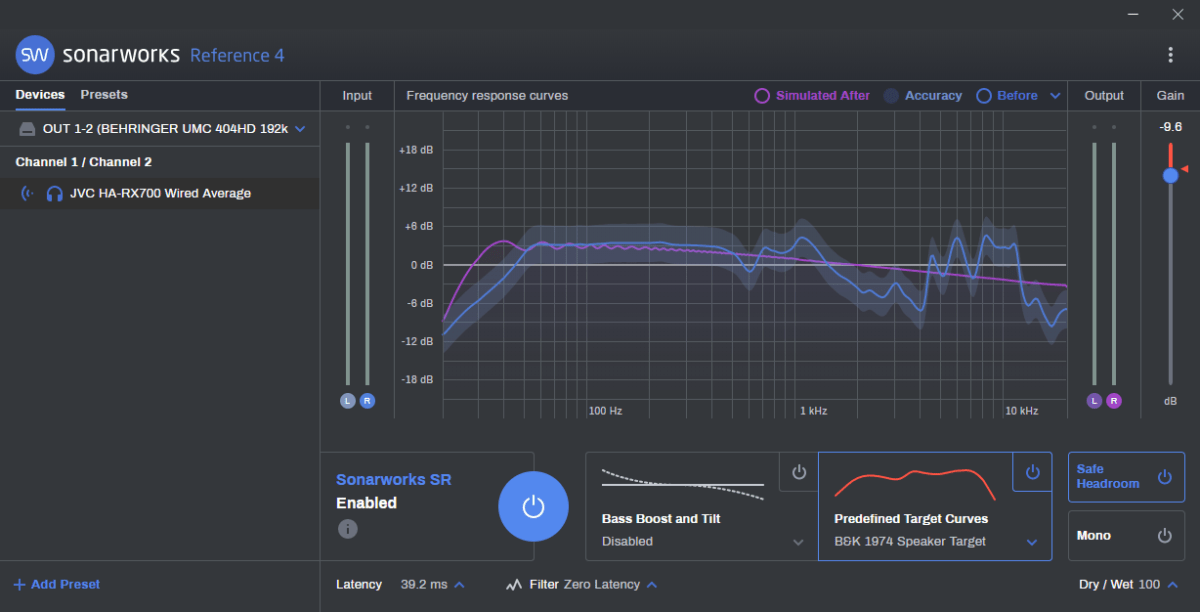
Another example is the Sonarworks Reference 4 software with SoundID Reference. In addition to providing acoustic correction for monitors and headphones, Sonarworks includes loudspeaker simulation profiles and listening environments. This allows engineers to quickly switch between different profiles and evaluate how their mixes translate in various contexts, improving the consistency and quality of the final product.
Become an expert in monitoring with the recommended book “Acoustings and monitoring in Music Production” (click on the image to go to the link):

Benefits and Limitations
The use of virtual monitoring systems offers several benefits, such as the ability to access multiple listening environments without the need for costly physical installations and the ability to make precise adjustments to improve the translation of mixes. These systems are also portable, allowing engineers to work anywhere with the confidence that their mix decisions are based on accurate aural reference.
However, it is important to recognize the limitations of virtual monitoring systems. While they provide accurate simulations, they cannot fully replicate the physical experience of listening in an acoustically treated room with high-quality monitors. In addition, over-reliance on simulations can lead to mixing decisions that do not translate perfectly to all actual playback systems. Therefore, it is advisable to use virtual monitoring systems as a complementary tool in conjunction with physical monitors and high quality headphones.