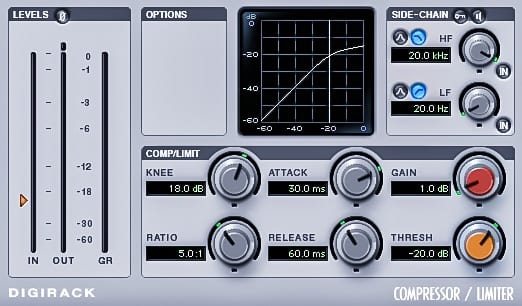
Compression is crucial in music production for several key reasons:
- Dynamics Control: In a recording, volume levels can vary significantly. Compression helps control these variations, ensuring that sounds are neither too loud nor too soft. This is especially important for maintaining consistent audio quality on different playback devices.
- Clarity and Presence: Compression can increase the clarity of the most important elements of a mix, such as lead vocals or solo instruments. By reducing dynamics, these elements can better “cut” through the mix, making the music sound more defined and present.
- Consistency: In a musical mix, different tracks may have different volume levels and dynamic characteristics. Compression helps unify these tracks, creating a more cohesive and professional mix.
- Peak Prevention: Unexpected volume peaks can cause distortion and damage to audio equipment. Compression limits these peaks, protecting both audio quality and playback equipment.
- Improved Transition Between Tracks: In mastering an album, compression helps ensure that all tracks have a similar level of volume and dynamics, facilitating a smooth transition from one song to the next.
- Creativity and Style: Beyond technical control, compression is also used creatively. It can add character and style to a track, such as “pumping” in electronic music, where rhythmic compression creates a pumping effect synchronized to the beat of the song.
Become an expert in compression with the recommended book “ Compression in Music Production” (click on the image to go to the link):

Commonly Used Examples
- Vocals: Vocal compression is essential to keep vocals clear and present in the mix, especially in genres such as pop and rock.
- Drums: In drums, compression helps control the punch of the kick and snare drums, and can add sustain to the cymbals.
- Bass: Compression of the bass ensures that low notes are consistent and audible in the mix.