Sound properties
We could define equalization as a way of achieving a certain sound by arguing or attenuating particular frequencies or an entire frequency range. An equalization can be done for several purposes, which we will see below in detail. First of all, we must define the terrain over which an equalizer acts: the spectrum of frequencies audible to humans.
Frequency
The frequencies that humans can perceive fall within a limited range. Frequencies are generated from the vibration of materials and are measured in Hertz. These frequencies are cyclic, as we can see in the following graph:
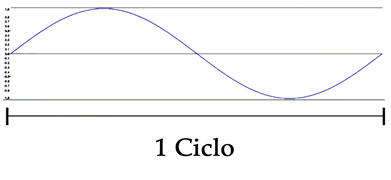
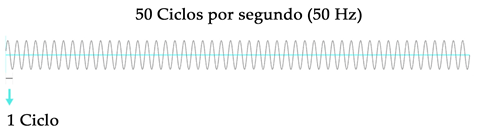
If a wave performs, for example, 50 cycles per second, then we say that it has a frequency of 50 Hertz.
Tonality
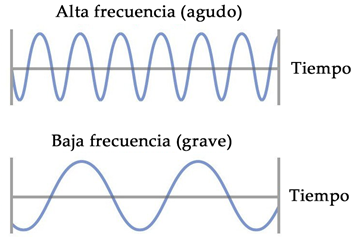
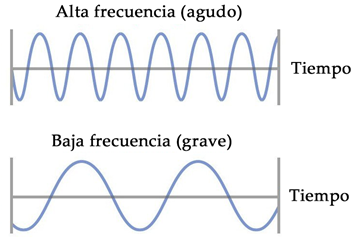
Now, we know that the more Hertz a frequency has, the higher the pitch, the “sharper” the resulting sound. The lower the Hertz, the “lower” the sound. To give an example, we see that the sound of a drum cymbal can have about 3000 Hz, while the sound of a bass drum would be around 100 Hz. Fewer cycles per second, the deeper the sound, and vice versa.
Frequency spectrum
The frequency spectrum is a range that encompasses all frequencies, low, mid and high. If we think about equalization, we must look at the frequency spectrum that humans are able to perceive. This range is limited, more limited than other animal species. We, humans, are able to perceive frequencies ranging from 20 Hz to about 20,000 Hz. Equalizers work in this frequency range only, since sounds outside this range, for example, 40000 Hz, or 3 Hz, will be impossible for the human ear to perceive. Sounds above the audible limit of 20000 Hz are called ultrasound, and those below the 20 Hz limit are called infrasound.
Become an expert in equalization with the recommended book “ EQ in Music Production” (click on the image to go to the link):


Within the audible spectrum, we find the main frequencies of each sound, i.e. the low, middle and high frequencies:
B1: Deep bass
B2: Low bass
B3: Medium bass
B4: High bass
M1: Low middle
M2: Medium
M3: High Mids
M4: Presence
A1: Treble
A2: High treble