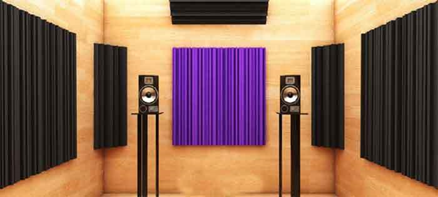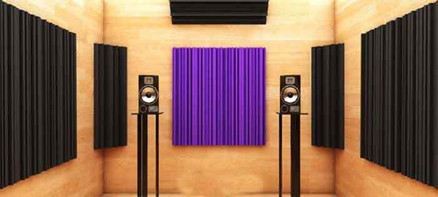
We can find that standard acoustic foam is widely sold, which unfortunately is not very effective in absorbing reflections.
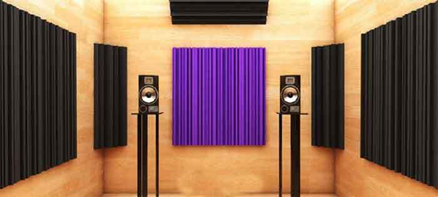
It is not a very dense material and does not trap the frequencies it should. But it is better than nothing. It is better to cover the walls a little with this foam than to leave them empty.
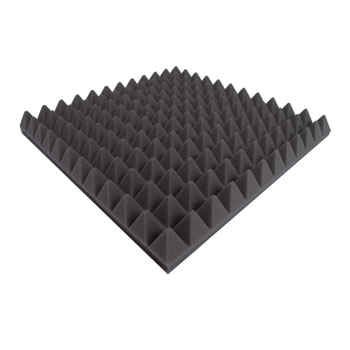
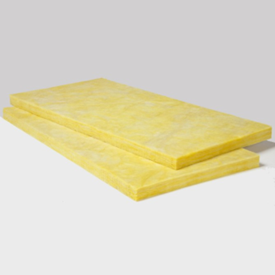
Fiberglass
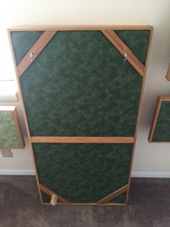
The material used in professional studios is compressed fiberglass. It is a material that absorbs most frequencies, up to 200Hz. You can buy the material and make the frames for the panels at home, or you can buy the whole panel ready-made.
If you want to manufacture the panels, it is very easy, you must create a wooden frame to frame them and then cover them with fabric or other textile material.
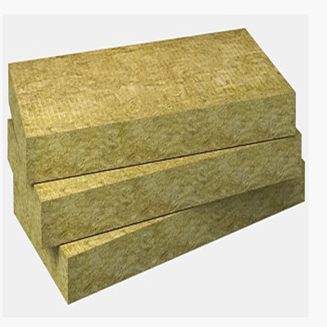
Rock wool
Another option, better than the previous one, and offering more efficient results, is rockwool.
Diffusers
A diffuser is in charge of diffusing all the reflections that reach the back wall (the one right behind you). The idea is not to kill the reflections but to disperse them so that they do not reach back to your ears. Diffusers can be purchased ready-made, or they can be made from irregular surfaces of wood or objects:
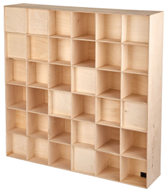
The easiest and cheapest is to use bookshelves. It will be just as effective as a purchased diffuser, and will help the overall acoustics:
Become an expert in monitoring with the recommended book “Acoustings and monitoring in Music Production” (click on the image to go to the link):


Bass traps.
Corners are usually the most problematic places for bass frequencies. If the studio is small, more bass frequencies will be “trapped” in the corners. This problem creates unwanted resonances that will interfere with listening.