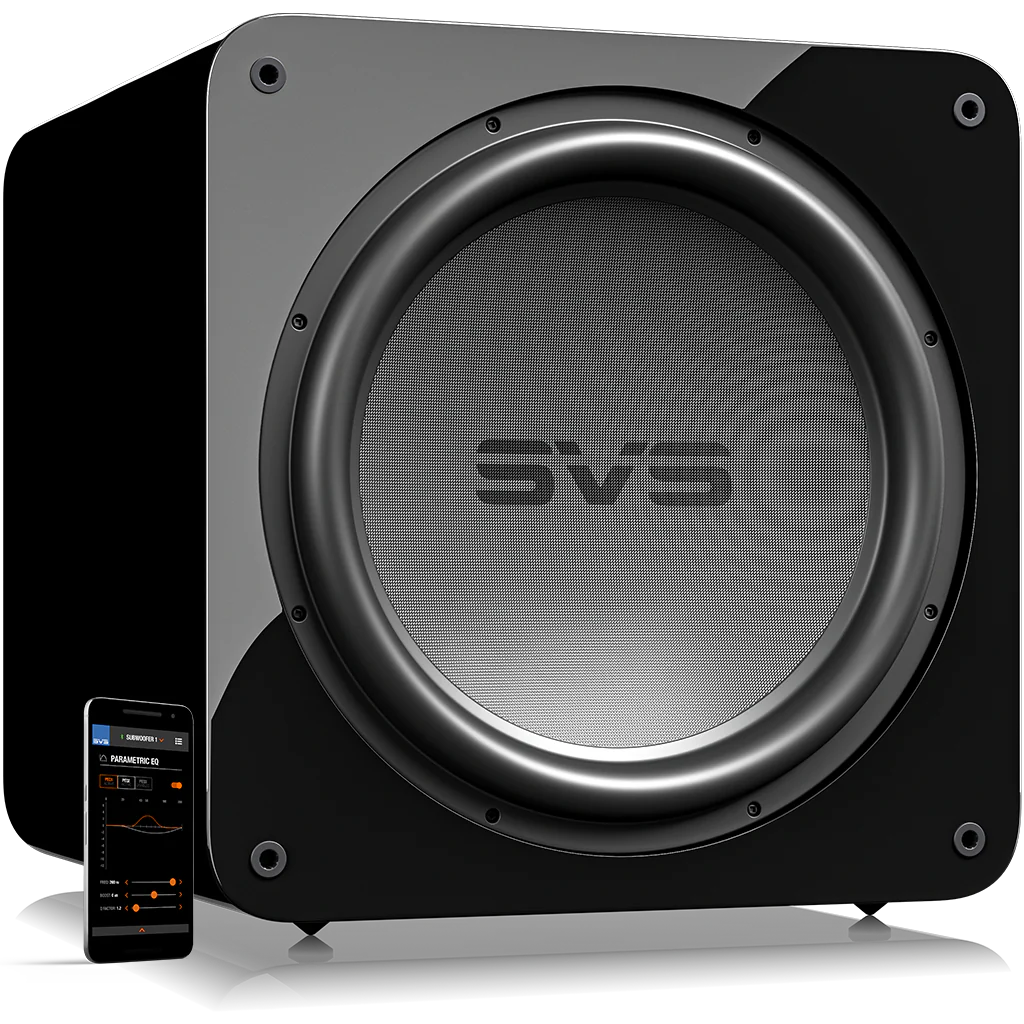
Integrating subwoofers into a studio monitoring system can significantly improve the ability to hear and mix low frequencies, providing a fuller and more accurate sound image. However, subwoofer integration must be done carefully to avoid problems such as excessive bass or lack of coherence in the mix.
Subwoofer placement is a crucial factor. Unlike full-range monitors, subwoofers emit low frequencies that are less directional. This means that low-frequency waves are more evenly dispersed throughout the room. However, the location of the subwoofer can drastically affect how these frequencies are perceived. Generally, subwoofers are placed on the floor, and a common position is in the center, between the two main monitors. Alternatively, they can also be placed in a corner, which can increase low-frequency efficiency but can also increase room modes and unwanted resonances.
Once the subwoofer is located, the next step is to adjust the crossover, which is the frequency at which the subwoofer takes over from the main monitors. This setting is critical to ensure a smooth transition between the subwoofer and the monitors. A commonly used crossover frequency is around 80 Hz, although this may vary depending on the frequency range of the main monitors and the specific characteristics of the subwoofer. Setting the crossover correctly ensures that there is no excessive overlap or gaps in the frequency response.
Subwoofer level calibration is equally important. The subwoofer should be integrated so that the low frequencies complement the mid and high frequencies without dominating them. Using an SPL (sound pressure level) meter, the volume of the subwoofer can be adjusted to match the level of the main monitors. This ensures that the overall balance of the mix is not affected by too much or too little low frequencies.
The use of measurement tools and acoustic analysis software, such as Room EQ Wizard (REW), facilitates accurate subwoofer calibration. These programs allow you to perform frequency sweeps and measure the subwoofer’s response in the room. The information obtained helps fine-tune the crossover, subwoofer level and placement to obtain the flattest possible frequency response.
Become an expert in monitoring with the recommended book “Acoustings and monitoring in Music Production” (click on the image to go to the link):

The phase of the subwoofer must also be adjusted to ensure proper integration with the main monitors. Phase refers to the time alignment of the sound waves from the subwoofer and monitors. If the waves are not aligned, they can cancel each other out, causing poor sound in the low frequencies. Many subwoofers have an adjustable phase control that allows the subwoofer output to be synchronized with the main monitors.
After placement and initial calibration, it is important to verify subwoofer integration by listening to reference material that you know well. This may include music that spans a wide frequency range and recordings that contain low-frequency detail. When listening to these recordings, pay attention to how the low frequencies behave and make sure that the subwoofer is providing a coherent and balanced complement to the main monitors.
Periodic adjustments and calibration checks of the subwoofer are advisable, especially if changes are made to the studio layout or furnishings, as this can affect the room acoustics. Keeping the monitoring system well calibrated ensures accurate sonic reference, allowing mixing and mastering decisions to translate well to different playback systems.