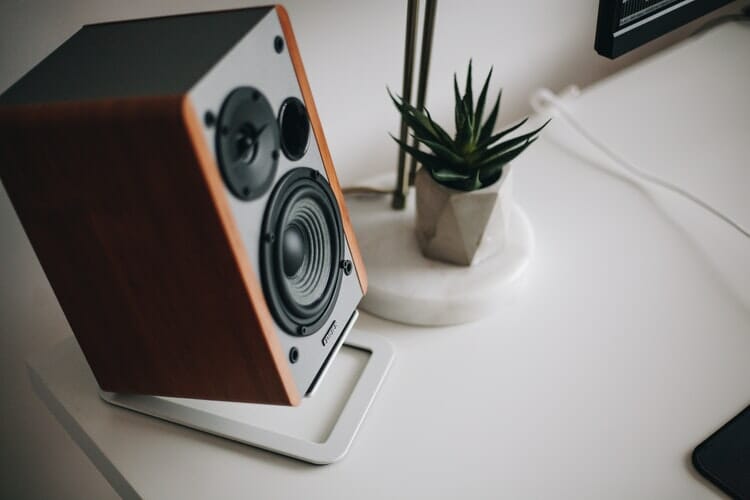
Cross-referencing is essential in music production to ensure that mixes translate well across different playback systems. Using headphones in combination with studio monitors allows sound engineers to gain a more complete perspective of the sound, identifying and correcting problems that might go unnoticed when using a single monitoring method. Cross-referencing improves the accuracy of the mix and ensures that the final product sounds good in a variety of environments, from hi-fi systems to common headphones.
Alternating between Headphones and Monitors
An effective technique for cross-referencing is to regularly alternate between headphones and studio monitors during the mixing process. This allows you to compare how frequencies and the stereo image behave in both environments. Headphones provide a detailed, close-up view of the sound, which is useful for fine-tuning EQ and effects. On the other hand, studio monitors offer a more realistic representation of the sound field and room acoustics, helping to ensure that the mix has good spatiality and balance.
When switching between headphones and monitors, pay attention to differences in bass frequencies, as these can behave differently in each system. Adjusting the bass and low-mid levels in both environments can help achieve a more coherent balance. Listening to the mix at different volume levels is also useful for identifying mix problems that may not be apparent at a single listening level.
Use of Reference Material
Using known reference material is a key technique for cross-referencing. Listening to professional, well-produced tracks through the same headphones and monitors used for mixing provides a valuable point of comparison. Identifying how frequencies, stereo imaging and dynamics sound in reference material helps guide mixing decisions and calibrate the ear for a more accurate response.
Select several reference tracks that span different genres and styles, making sure they are high-quality recordings. Listen to how the low, mid and high frequencies behave in these examples and compare with your own mix. This will allow you to adjust the EQ and other parameters to achieve a more balanced and professional sound.
Monitoring in Different Environments
Switching between different listening environments is another effective technique for cross-referencing. In addition to using headphones and studio monitors, listen to the mix on other systems, such as computer speakers, regular headphones, and car audio systems. This provides a broader perspective of how the mix will translate in different contexts and helps identify and correct problems that might not be evident in a single environment.
Record your mix in a high-quality format and listen to it in different locations, such as the living room, the car, or even through portable speakers. Pay attention to how frequencies and dynamics behave in each environment and adjust your mix accordingly. This technique ensures that your production sounds good on a variety of playback systems.
Verifying on Near and Far Field Monitors
Using both near-field and far-field monitors is another strategy for effective cross-referencing. Near-field monitors, placed a short distance from the listener, provide accurate and detailed sound reference, minimizing the influence of room acoustics. On the other hand, far-field monitors, placed at a greater distance, provide a more complete representation of the sound field and how room reflections are integrated.
Become an expert in monitoring with the recommended book “Acoustings and monitoring in Music Production” (click on the image to go to the link):

By alternating between these two types of monitors, you can get a more complete view of the mix. Near-field monitors help fine-tune fine details, while far-field monitors provide an overall view of spatiality and tonal balance. Adjust the mix according to the differences you observe between the two types of monitoring to ensure accurate translation across a variety of playback systems.
Adjusting Volume and Dynamics
Adjusting volume and dynamics is crucial in cross-referencing. Listening to the mix at different volume levels helps identify balance and perceptual problems that may not be apparent at a single listening level. At lower volumes, pay attention to how the bass frequencies and clarity of vocals and instruments are maintained. At higher volumes, check that high frequencies are not too high-pitched or fatiguing.
Use compressors and limiters to control dynamics and ensure that the mix sounds balanced at any volume level. Cross-referencing between headphones and studio monitors allows you to adjust dynamics so that the mix remains consistent and enjoyable in all listening conditions.